Come to your senses: Embodied Vision: Why What You See Shapes How You Feel. A Somatic Approach to Nervous System Regulation
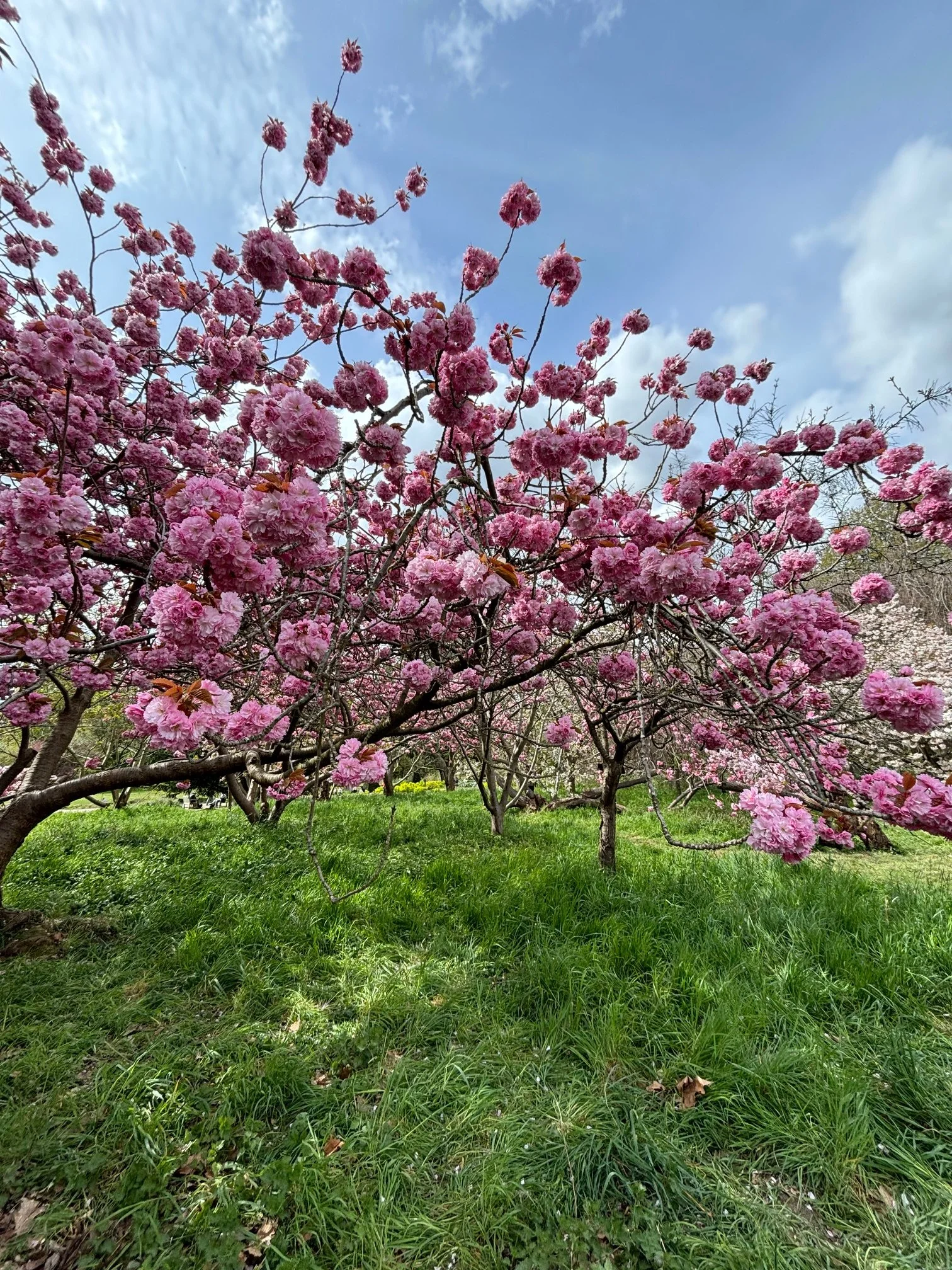
Embodying the spring. As Eric Franklin frequently says, ‘you get good at what you practice.’ Let’s practice focusing on this simple sensory input: color, texture, shape.
There is a version of wellbeing that exists above the neck at the moment - fitness trackers telling us what to do to be healthy, Instagram bombarding us with 3 exercises to do that will change our wellbeing (I hate those so much!) to solve all issues, and experts talking or worse still influencers and giving us a narrative - if we understand we will feel better. All wanting our attention.
And somewhere along the line we have something much more important - a body. A body that is more intelligent than any tracker, influencer, expert or series of exercises. And within our body, us, our nervous system is making split second decisions that are below our level of consciousness. Our nervous system is reading the world around us through different cues and from that we perceive how safe or otherwise we are, and how well or otherwise we can feel. As a somatic therapist I see this daily in my clinic in Shrewsbury as well as online - it is part of the core of my work and practice.
The senses - our senses, play the key role in our perception of the world and are the building blocks of our existence. And for today, what I am really considering is the sense of vision and making a conscious decision to take in a sense of awe. Why is this important for our wellbeing?
Positive experiences of awe are important because they calls us into us being part of something much bigger - when we see a starry sky, a sunset, the brilliance of a spring day we can just forget everything for even a split second and give ourselves a reset in mind and body. Many events that can cause us to feel a sense of awe do come from nature although we can also find awe in events that come from man - watching an arts performance or seeing a painting can trigger this feeling. By taking time to drink this in with our sense of sight is really important - what are the colours? patterns? shapes? what is the sensation you feel in your body as you do this? You may have experiences from life such as witnessing a spectacular view or sunset as having a really positive response in your body, a gasp, a sigh, a deep breath out, a feeling of landing, as you take in awe. We may feel relaxed, but this sense of relaxation is also a vagal toning exercise that has a direct impact upon our physiology. Using your senses in a deliberate way helps your nervous system regulate itself. Positive experiences of awe help the vagal tone in our body improve and we move into that ventral state and sense of wellbeing.
Seeing and feeling are so intimately related - our eyes are literally a continuation of our brain and central nervous system. Stare at something long enough and your will feel your sympathetic tone increase - this is definitely not a good thing and is one reason why after scrolling social media you may feel stressed and it is definitely not the thing to help you gain a good night’s sleep. Our visual field can influence cortisol levels, and nervous system’s tone - what we see, what we choose to focus our eyes on impacts our health.
Seeing and feeling have such an intimate relationship with our perception of the world at large and a direct impact on our wellbeing so it is a good idea to actively seek out some positive experiences of awe! It usually comes through our visual channel first - the rainbow, the landscape, the intense colours of the sunset, the gentle shades of flowers. We do not need to go out somewhere special looking for the spectacular (although that is wonderful) but to seek out something special in the everyday that is always around us - a crisp starry sky, colours and vibrancy on a sunny day, quality of lightfall - all have something to offer us.
And notice how your body responds to this.
Your somatic practice is to notice and to be with this experience. Because in the moment of noticing no matter how brief that moment was gives your body a chance, moment to moment to move away from that high speed brain, stress and held tension and move into the body and its felt sense. Awe is physiological and the process of observing awe is movement within your own body in a very deep way. Hence when I am working in somatic therapy it is a form of somatic movement therapy as I am not moving the thinking mind but moving the nervous system and the body’s response.
My Somatic Practice and embodying the visual field for health and wellbeing
In Somatic Movement Education my attention is less about the task or end product and more about the sensation and being in the now. Using the Franklin Method, I use imagery and sensory awareness not simply as motivational tools but as pathways for neurological and physiological change. When we bring genuine attention to what we see and feel, we are actively participating in how our brain maps our body from large visible movements to movements so small they fall under our conscious radar.
Having narrow vision, with your eyes fixed on a device or a task, keeps you in a perpetual sympathetic state (the state in which we are mobilised and ready - which is called in our modern world stress!)
Widening your gaze, softening your focus and allowing peripheral vision to open is relaxing for all of the tiny muscles focusing your eyes. But also this is a form of nervous system regulation because the relationship of the senses to the vagus nerve structurally is so incredibly close. Your body can decide that the environment is safe and can be perceived fully. Imagination and our senses are not separate from how we move but are movement in levels so subtle if practised enough we can detect to some degree as well as to degrees we have no awareness of.
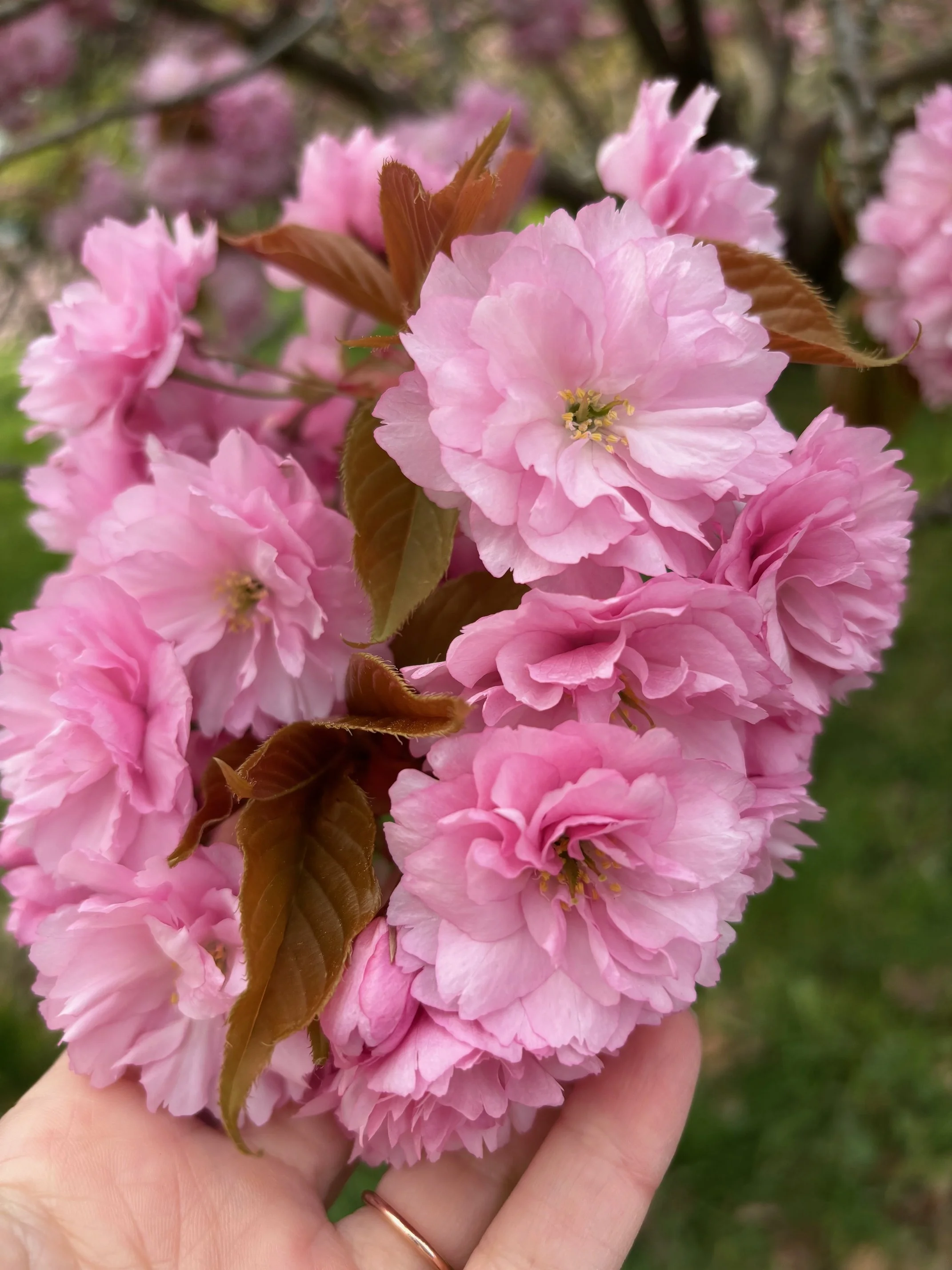
Shift your attention, change your nervous system. In Somatic Movement Education (like the Franklin Method), we focus less on the output of movement and more on the neurological change driven by sensory input. When we focus on shape, pattern, and color at this micro-level, we are actively regulating our nervous system state.
For women in midlife some practices that will really impact your wellbeing and are more practices I have been working on for the past 6 months with massively improved markers in my own wellbeing. They help everyone, but for women whose bodies are going through a time of massive change they are huge supports.
No morning screen scroll - allowing natural light to enter my eyes at the start of the day not only regulates my sleep patterns but also helps me enter the day in a state of calm. As someone that does work digitally this is really important as I enter my day feeling refreshed rather than having a brain swimming in social media data.
Practice looking into the distance and preferably find something green to gaze at (this also is hardwired into our primitive systems that we are safe) - let your gaze soften and widen. Not only does this settle down my sense of vision but also keeps my own nervous system much calmer when I have lots of work to do, and so I tend to be much more productive.
Practice opening your senses into awe and really take your time to be with this sense and deeply present - I often use the word steep to describe the feeling of really letting this sensation exist within you - and take time to notice how your body feels as a result. The noticing not only builds new connections within the mind, but also serves as a useful resource if we get stressed - that through our imagination we can journey back to that place and that feeling. Our mind has the capability to recall in a felt way real positive experiences - so bank them in!
I will explore, touch, and proprioception in future posts in this series and my last post Ventral Energy and Your Nervous System gives you a practice on birdsong and sound! Each sense has its own pathway, its own intelligence, its own particular contribution to health. But vision is such an important once, because it is so often the most overworked and least inhabited. As my teacher, Eric Franklin frequently says - ‘You get good at what you practice and that includes thoughts, feelings and emotions”.
There is so much wisdom we have in our body and so much we can take control over to be happier and healthier in mind and body.
I hope you find this useful, in wellness, Sarah
Would you like to work with me?
If this has sparked your curiosity about my work and the world of somatics, or if you are living with chronic stress, pain, or a sense of disconnection from your body, talk with me about how working with an expert in Somatic Movement and the Franklin Method, SomaSoul Somatic Therapy and/or Somatic Pilates might support you.
I work with clients in Birmingham, Shrewsbury, and Shropshire, and also offer sessions online. My practice comes from the Franklin Method, SomaSoul Somatic Therapy, and a Somatic Pilates lineage rooted in Alan Herdman's tradition, all helping you develop a more nuanced, comfortable, and genuinely at ease in your relationship with your body and with you.
You can find out more and get in touch with me if you want to work with me 1:1 sarah@sarahpritchardpilatessomaticmovement.com
Or come and join me with Franklin Method Immersives in York, Edinburgh and Virtually, and my Somatic Day retreat for Womens’ Health coming in June - more details coming soon once I have had a break too!
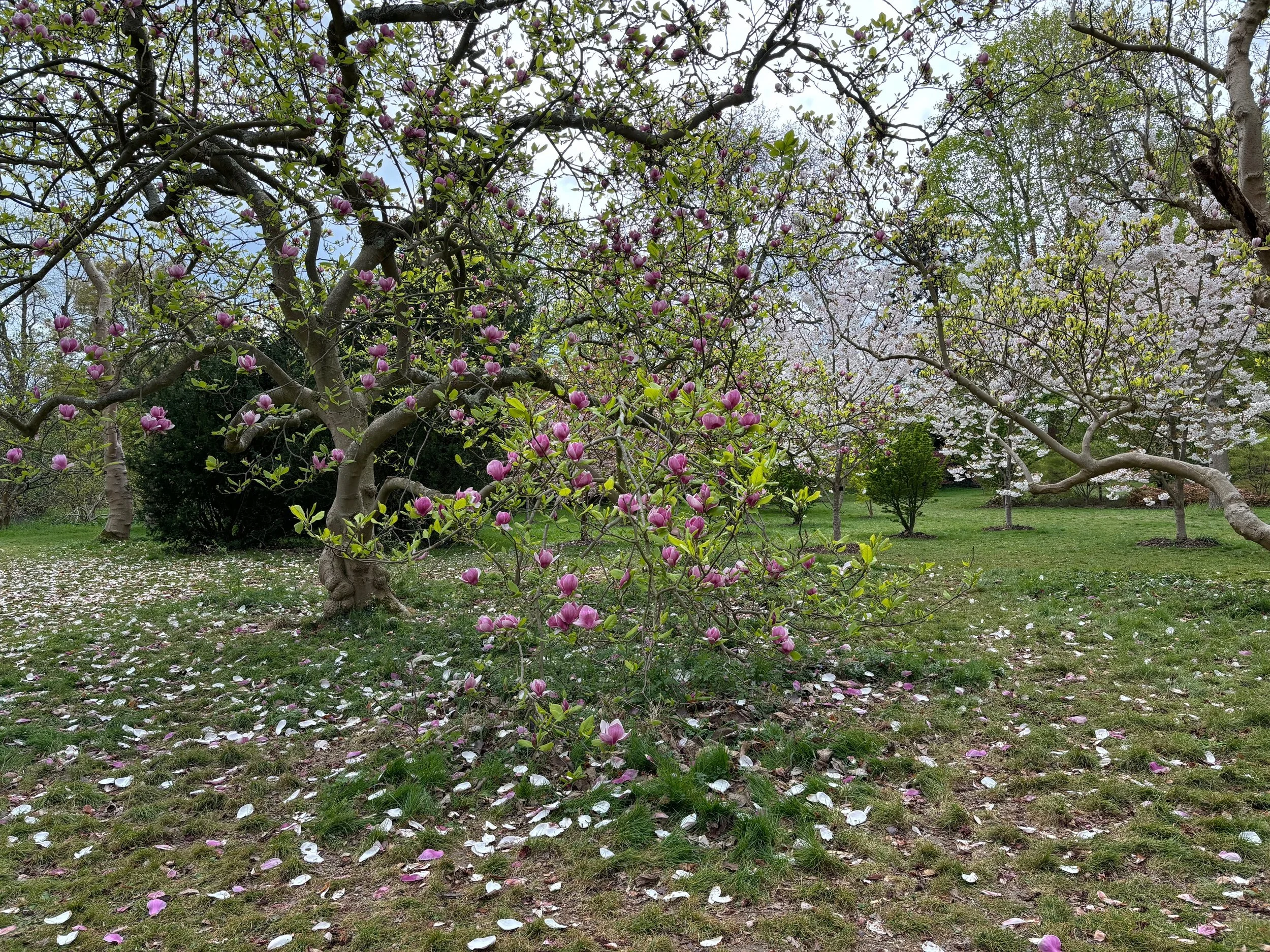
Sharing my image of awe for spring and here an image of springtime as a gently arriving this contrasting the violence of the weather in Shrewsbury and Birmingham last week! Standing and getting a sense of these petals on the earth. A good reminder that, new beginnings start with grounding. In my somatic practice - whether we are meeting in Shrewsbury, Birmingham, or virtually - we look for these quiet moments of ladning and sometimes of awe. It’s in the 'everyday spectacular' that our nervous system finds the safety to change. Steep in the green, notice the white petals, and feel your body respond to the newness of the season. Have a joyous holiday with ground. Sarah.
© Sarah Pritchard, 2026, All rights reserved.
Content Disclaimer - With pain, acute injury and any pathology you should always seek professional medical guidance and diagnosis. Somatic work does not replace medical diagnosis or care for the body or the mind. Please refer to my Terms of Website use for further information.
DISCLAIMER: as I do not know your individual circumstances, none of my blogs, my videos, my guidance in the Facebook group or any other materials available to you where I have not taken you on as a one to one client shall be construed as advice and I shall have no liability to you in any circumstances should you choose to rely on any of the materials I publish.